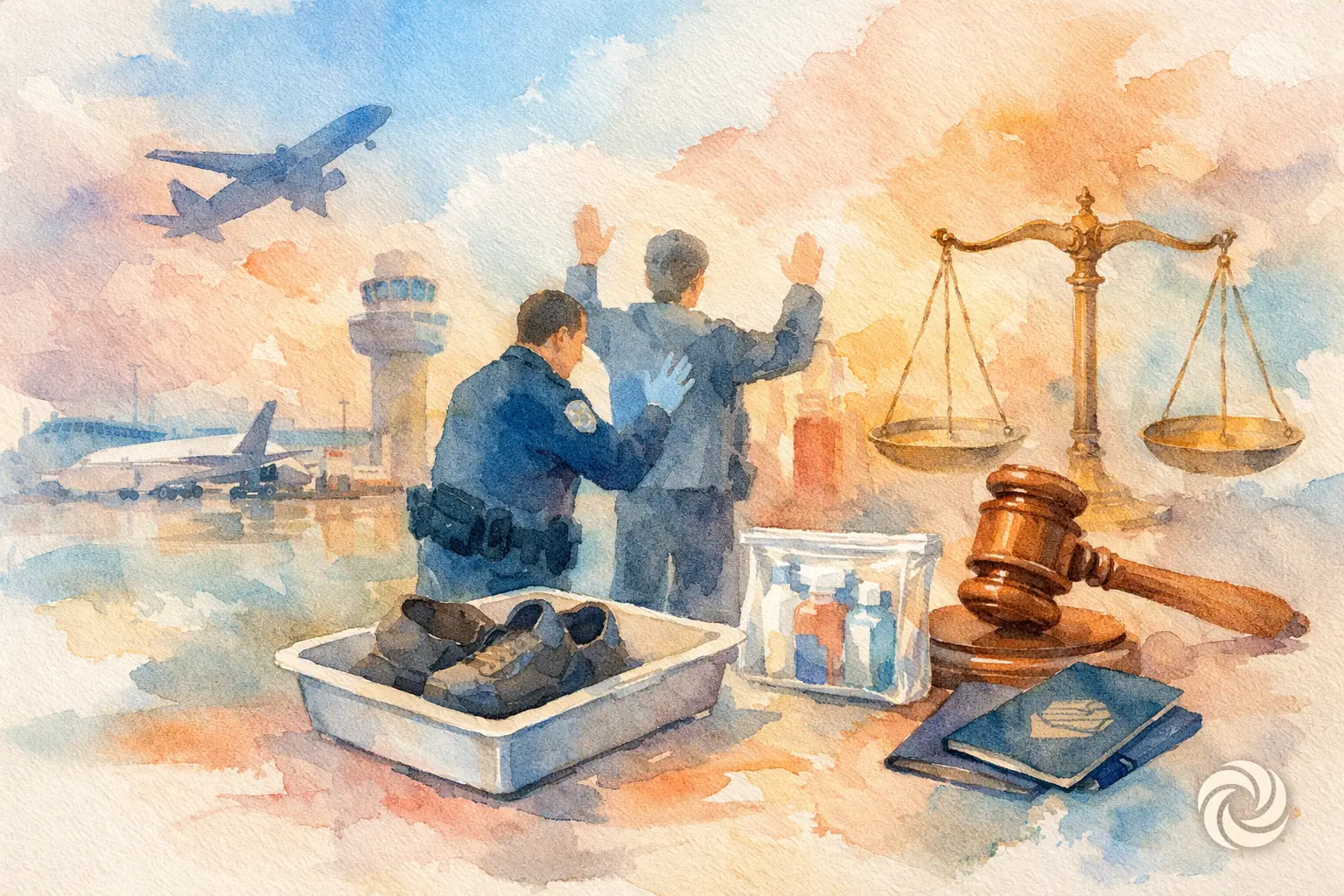
Airport rules have a way of changing right before a trip, and that is exactly why interest in tsa new laws 2026 is picking up. If you use medical cannabis, travel with vape devices, or simply want to avoid a bag check turning into a delay, the smart move is to separate rumor from actual policy before you get to security.
For most travelers, the biggest mistake is assuming TSA rules work like state cannabis laws. They do not. TSA is a federal agency focused on transportation security, not a state-by-state guide to what is legal once you land. That distinction matters more than most people realize, especially for patients who are used to legal access at home and expect the same logic to apply in an airport.
TSA new laws 2026: what is actually changing?
The first thing to know is that people often use the phrase “new laws” loosely. In practice, changes that affect travelers may come from federal rule updates, TSA screening procedure changes, FAA battery guidance, ID enforcement, or airport-specific policies. So if you are searching for tsa new laws 2026, you are really asking a broader question: what can get flagged, confiscated, or delayed at security this year?
One likely area of attention is REAL ID enforcement. If you are flying domestically, your identification needs to meet current federal requirements unless you are using another accepted form of ID, such as a passport. This is not a cannabis issue, but it is the kind of rule change that causes missed flights because people assume their regular license is still enough. Before worrying about what is in your bag, make sure the ID in your wallet is acceptable.
Another area travelers should watch is lithium battery and vape device handling. TSA and FAA rules have been tightening for years around loose batteries, power banks, and devices that can overheat. That does not always mean a dramatic new ban, but it can mean stricter screening and less flexibility if items are packed incorrectly. If you travel with a vape battery, it generally belongs in your carry-on, not checked luggage.
Cannabis remains the most misunderstood category. TSA officers are not standing at the checkpoint looking for small amounts of marijuana, but that does not make airport possession federally protected. If a substance appears to violate federal law or raises a security concern, TSA may refer the matter to law enforcement. Whether that becomes a serious issue often depends on the airport, the local jurisdiction, the quantity, and the product type.
The cannabis question most travelers get wrong
Many adults assume that because cannabis is legal in their state, they can fly with it anywhere. That assumption is risky. Even if departure and arrival states both allow cannabis, air travel itself operates within a federal framework. TSA screens under federal authority, and aircraft cross federal airspace.
That does not mean every traveler carrying cannabis gets stopped. Real-world enforcement is often inconsistent. A small amount may be ignored in one airport and questioned in another. Edibles may attract less attention than flower because they look less obvious during screening, but they are not automatically safer from a legal standpoint. Packaging, smell, quantity, and how the item appears on an X-ray can all change the interaction.
Medical cannabis patients sometimes believe a doctor recommendation gives them blanket travel protection. It does not. A valid recommendation can support your legal status under state law and help you access cannabis lawfully where permitted, but it does not override federal restrictions at airport security. That is an important distinction for patients who rely on cannabis for pain, sleep, anxiety, or chronic symptoms.
If you are a California patient, your medical status may still offer practical value before and after travel, even if it does not create a federal exemption at the checkpoint. It can support lawful purchase, possession advantages under state rules, and broader access to products you may not find in the adult-use market. But when it comes to flying, caution still matters.
What TSA is most likely to care about in 2026
Security officers are trained to look for threats to transportation safety. That means weapons, explosives, suspicious electronics, oversized liquids, and battery hazards tend to get more attention than personal-use cannabis. Still, once a bag is opened for one issue, anything inside can become part of the conversation.
A vape pen tossed into a checked suitcase with loose batteries is more likely to create trouble than a carefully packed carry-on. A strong-smelling jar of flower is more likely to trigger questions than discreetly packaged non-liquid personal items. A large quantity looks different from a small amount intended for individual use. None of this makes cannabis “allowed.” It simply reflects how screening works in practice.
Travelers should also be careful with infused drinks, oils, and tinctures. Even if the cannabis issue never comes up, liquid limits still apply. If a product exceeds carry-on liquid rules, it can be removed for that reason alone. The same goes for gels, creams, and certain concentrates depending on packaging and size.
How to think about risk before you fly
The best approach is not asking, “Can I probably get away with this?” It is asking, “What happens if my bag is inspected?” That shift helps you make better decisions.
If your trip is short, buying what you need legally at your destination may be lower risk than transporting it. If your destination does not allow medical or adult-use cannabis, bringing products with you creates more exposure, not less. If your medication is essential and you are worried about symptom control while traveling, consider whether there are legal alternatives, physician documentation for related treatment needs, or destination-specific options that do not put you in a gray zone at security.
This is where people often benefit from getting their medical paperwork in order before they travel, not because TSA will treat it as a free pass, but because being properly documented matters in the broader legal picture. For California patients who want a fast, private evaluation with a licensed physician, services like Med Card Now make that process simple online. It is a practical step for legal access and documentation, even though airport rules still require common sense.
A smarter packing strategy for 2026
If you want fewer surprises, pack for the screening process, not just for your destination. Keep electronics organized and easy to remove if requested. Put vape devices and spare batteries in your carry-on and protect terminals properly. Do not bury questionable items under layers of clothing and assume that helps. It usually has the opposite effect if your bag gets flagged.
Be especially careful with anything that can look improvised, unmarked, or chemically suspicious on a scanner. Security delays often start because an item is hard to identify quickly. Clean organization is not just convenient. It reduces scrutiny.
The same principle applies to documents. If you are flying domestically, confirm that your ID is compliant before travel day. If you use prescription medications, keep them in a form that is identifiable and reasonable for personal use. If you rely on medical cannabis at home, plan ahead rather than improvising at the checkpoint.
Rumors vs reality around TSA new laws 2026
Every year, social posts claim TSA has either fully relaxed on cannabis or started cracking down in a dramatic new way. Usually, neither version is fully true. What changes more often is enforcement emphasis around specific safety categories, along with how airports and local police respond when cannabis is discovered.
That is why broad claims like “TSA allows gummies now” or “medical cards make it legal to fly” are not reliable. The reality is narrower and less convenient. TSA may not prioritize minor cannabis possession, but federal illegality still exists. Medical recommendations help in many settings, but not as a blanket shield in air travel. Battery rules matter more than many people think. ID compliance can derail a trip before any bag is even scanned.
If you keep those four points straight, you are already ahead of most travelers.
The bottom line for medical cannabis patients
For patients, this topic is not just about avoiding hassle. It is about staying functional while traveling without stepping into a preventable legal problem. That means understanding the difference between state protection and federal screening, paying attention to battery and liquid rules, and avoiding last-minute assumptions based on what happened to someone else online.
A little planning goes a long way at the airport. The safest trips usually start well before security, with the right ID, the right paperwork, and a realistic view of how TSA rules actually work.