
Qualifying Conditions for a Medical Marijuana Card in California
California has one of the broadest medical cannabis laws in the country. Under Proposition 215, a licensed physician can recommend medical cannabis for any condition where they believe it may provide relief — not just conditions on a fixed state list.
The categories below cover what patients most commonly qualify for. If you don't see your exact condition, that doesn't mean you won't qualify. What matters is whether your symptoms affect your daily life and whether your doctor believes cannabis may help.
How the Doctor Decides
Having a condition on this page doesn't guarantee approval, and not finding yours doesn't rule you out. During your evaluation, the physician considers:
How your symptoms affect daily life
Ongoing pain, poor sleep, or persistent nausea that disrupts work, rest, or appetite carries real weight.
How long you've been dealing with them
Long-standing or recurring symptoms support a recommendation more clearly than occasional discomfort.
What you've already tried
Treatments that didn't work, or caused side effects, are an important part of the picture.
Whether cannabis is safe for you
Your current medications and medical history matter, and the doctor will tell you honestly if it isn't a good fit.
Common Qualifying Conditions
Chronic Pain
The most common reason Californians qualify. Persistent pain that affects sleep, movement, work, or day-to-day comfort.
- Chronic back and neck pain
- Nerve pain (neuropathy)
- Post-surgical pain
- Cancer-related pain
- Long-term injury pain
- Pain that hasn't responded to other treatments
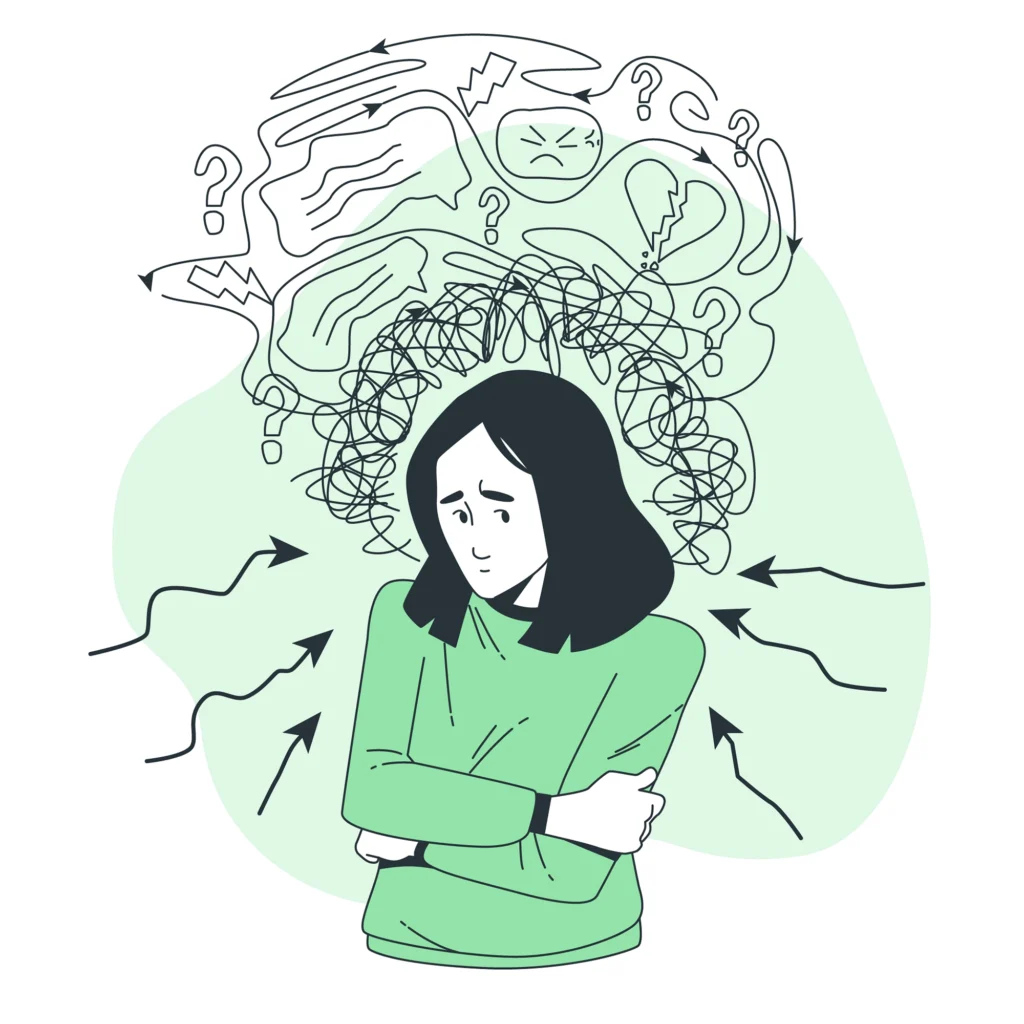
Anxiety & Stress Disorders
One of the most frequent reasons patients seek a recommendation, particularly where anxiety affects sleep and daily function.
- Generalized Anxiety Disorder (GAD)
- Panic Disorder
- Social Anxiety and Phobias
- Agoraphobia
- Post-Traumatic Stress Disorder (PTSD)
- Obsessive-Compulsive Disorder (OCD)

Arthritis & Joint Pain
Inflammatory and degenerative joint conditions where stiffness, swelling, and daily pain limit movement and comfort.
- Osteoarthritis and degenerative arthritis
- Rheumatoid arthritis
- Psoriatic arthritis
- Fibromyalgia
- Myofascial pain
- Lupus and polyarthritis
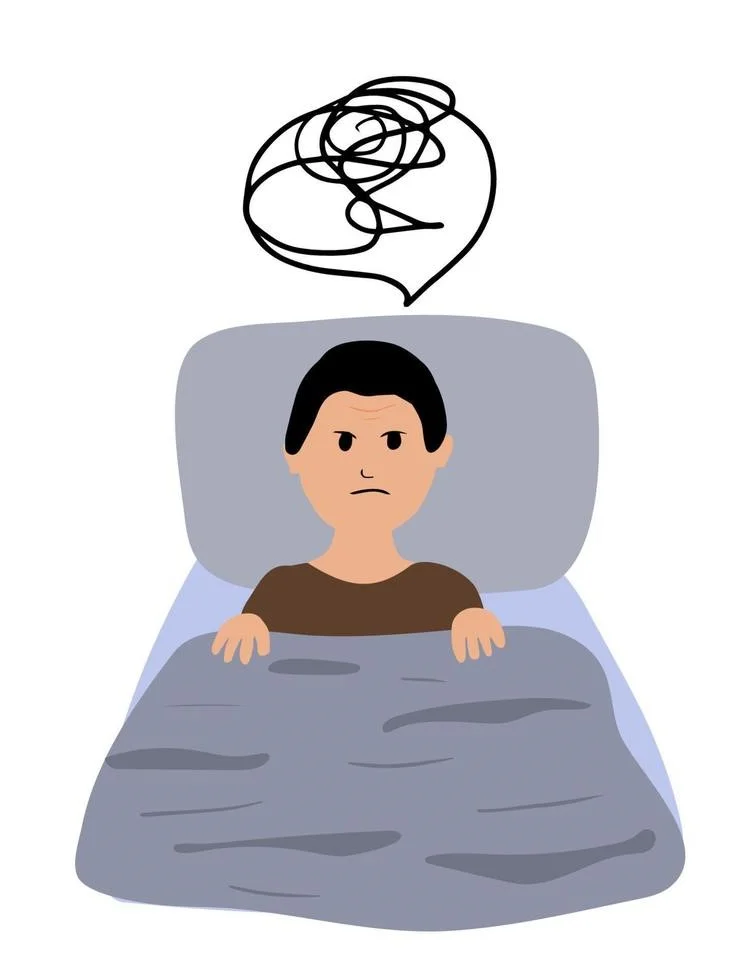
Insomnia & Sleep Disorders
Ongoing difficulty falling asleep or staying asleep, whether on its own or alongside another condition.
- Acute insomnia — short episodes of disrupted sleep
- Chronic insomnia — a long-term pattern
- Comorbid insomnia — occurring with another condition
- Onset insomnia — difficulty falling asleep
- Maintenance insomnia — waking through the night

Nausea & Appetite Loss
Persistent nausea, vomiting, or appetite loss, including symptoms caused by treatment for another condition.
- Chemotherapy-related nausea
- Cancer
- HIV/AIDS
- Hepatitis
- Cachexia (wasting syndrome)
- Post-operative nausea
Seizures & Muscle Spasms
Seizure disorders and persistent involuntary muscle activity, including spasms associated with neurological conditions.
- Absence seizures
- Tonic-clonic seizures
- Atonic seizures
- Clonic and tonic seizures
- Myoclonic seizures
- Muscle spasms, including those linked to multiple sclerosis
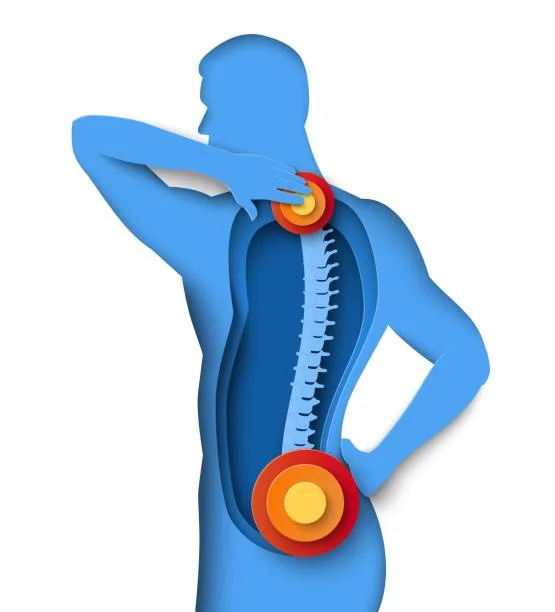
Spinal & Skeletal Conditions
Structural spine and skeletal problems that cause ongoing pain, restricted movement, or nerve compression.
- Lumbosacral back disease
- Disc and vertebral disorders
- Scoliosis
- Spinal stenosis
- Spondylolisthesis and spondylosis
- Other spinal and skeletal conditions

Injury & Trauma
Pain and restricted movement following an accident, strain, or repetitive-use injury that hasn't fully resolved.
- Sprains and strains
- Whiplash
- Carpal tunnel syndrome
- Repetitive strain injuries
- Post-accident pain
- Other physical trauma
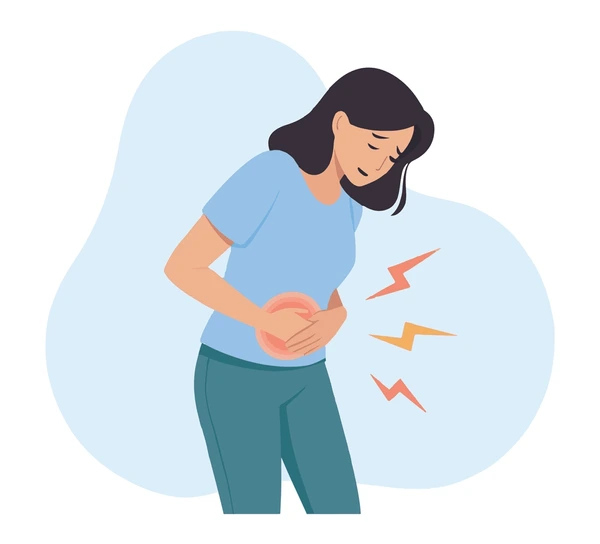
Gastrointestinal Conditions
Digestive conditions involving inflammation, cramping, or chronic discomfort that affects eating and daily routine.
- Crohn's Disease
- Ulcerative Colitis
- Irritable Bowel Syndrome (IBS)
- Gastroesophageal Reflux Disease (GERD)
- Coeliac Disease
- Inflammatory Bowel Disease
Inflammatory Conditions
Chronic inflammatory conditions where pain, swelling, or irritation persists and affects everyday comfort.
- Endometriosis
- Glomerulonephritis
- Panniculitis
- Pruritis
- Chronic inflammatory pain
- Other inflammatory conditions
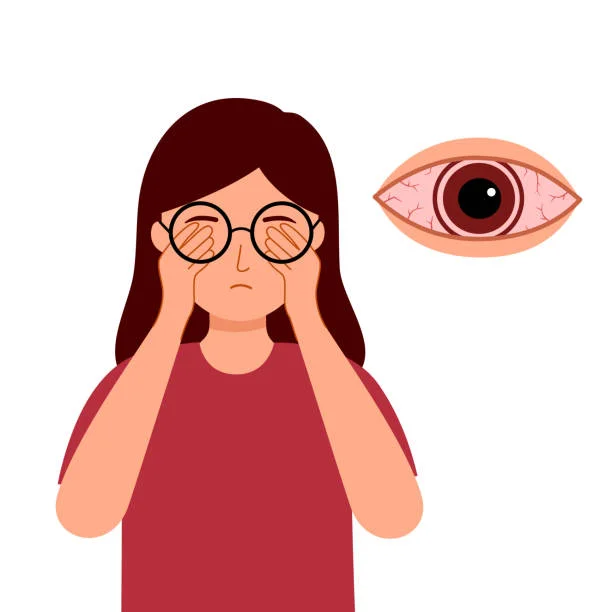
Glaucoma & Eye Conditions
Eye conditions involving raised intraocular pressure or ongoing discomfort, most commonly glaucoma.
- Glaucoma
- Ocular hypertension
- Age-Related Macular Degeneration (AMD)
- CMV Retinitis
- Drusen cysts
- Other conditions causing eye pressure or pain
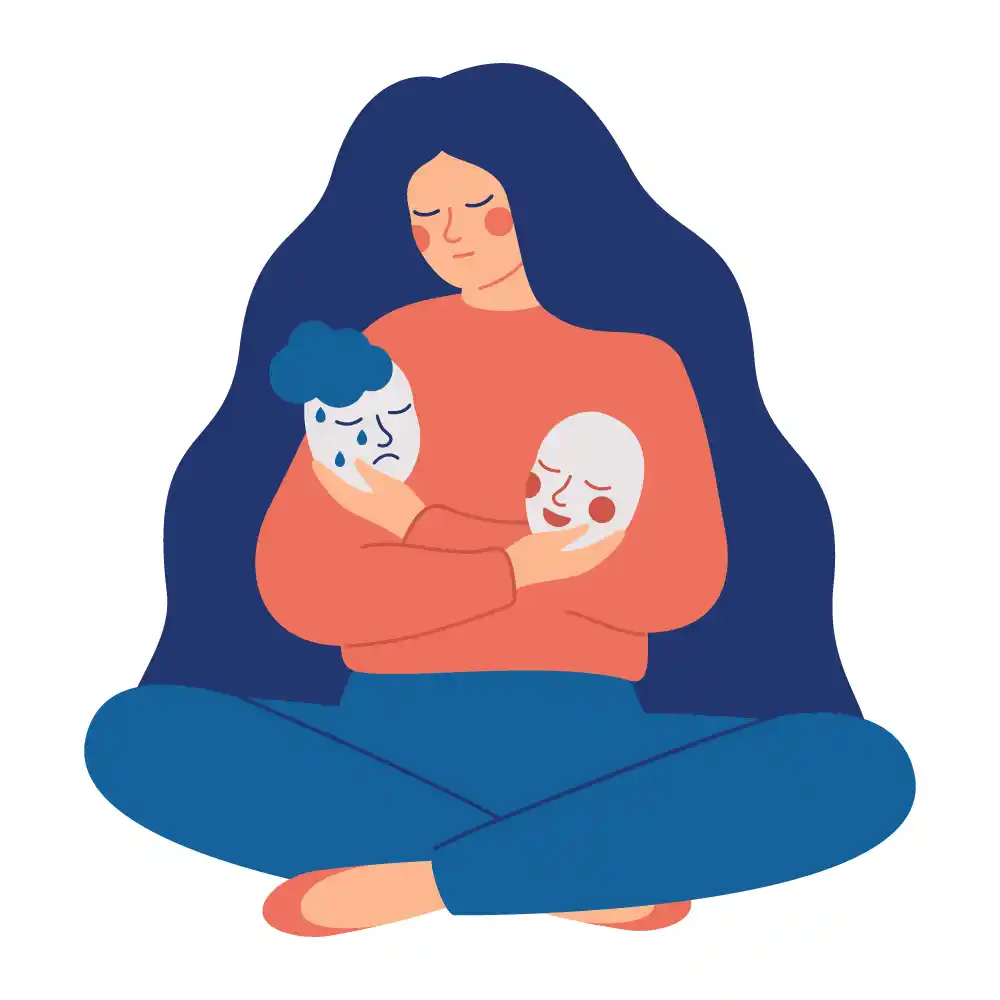
Mood Disorders
Conditions affecting mood, focus, and emotional regulation, where symptoms are ongoing and affect daily function.
- Depression and dysthymic disorder
- Bipolar disorder
- Attention Deficit Disorder (ADD/ADHD)
- Stress-related mood symptoms
- Seasonal mood changes
- Other mood-related conditions

Harm Reduction & Substitution
For patients using cannabis as a substitute for substances with a heavier toll on their health.
- Reducing alcohol use
- Reducing opioid painkiller use
- Reducing sedative or sleep-medication use
- Tapering with physician guidance
- Managing withdrawal-related symptoms
- Other substitution goals
Don't See Your Condition?
That's more common than you'd think, and it doesn't mean you won't qualify. California law lets physicians recommend medical cannabis for any condition they believe it may help, and many approved patients come in with symptoms rather than a formal diagnosis.
If your symptoms are ongoing and affecting your quality of life, it's worth speaking with a doctor. The evaluation takes about fifteen minutes, and if you're not approved, you don't pay.
Apply NowFrequently Asked Questions
Is there an official list of qualifying conditions in California?
No fixed list limits you. Proposition 215 lets physicians recommend cannabis for any condition where they believe it may provide relief.
Do I need a formal diagnosis to qualify?
Not necessarily. Many patients qualify based on ongoing symptoms — pain, poor sleep, anxiety, nausea — rather than a documented diagnosis.
Do mental health conditions qualify?
Anxiety, PTSD and stress-related symptoms are common reasons patients apply, and the physician reviews each case individually for suitability.
Can I qualify for more than one condition?
Yes. Many patients have overlapping symptoms, and the doctor considers your full health picture during the evaluation.
Does having a listed condition guarantee approval?
No. Approval always rests on the physician's clinical judgement, and you receive a full refund if you aren't approved.
Can minors qualify for these conditions?
Yes, with parental or legal guardian consent, or through a designated primary caregiver acting on the patient's behalf.